


Cannabis Strain Genetics: The Basics
From landrace origins to modern hybrids: how genetics shape a strain's aroma and effects, and how to use lineage, cannabinoids, and terpenes to pick your next favorite.

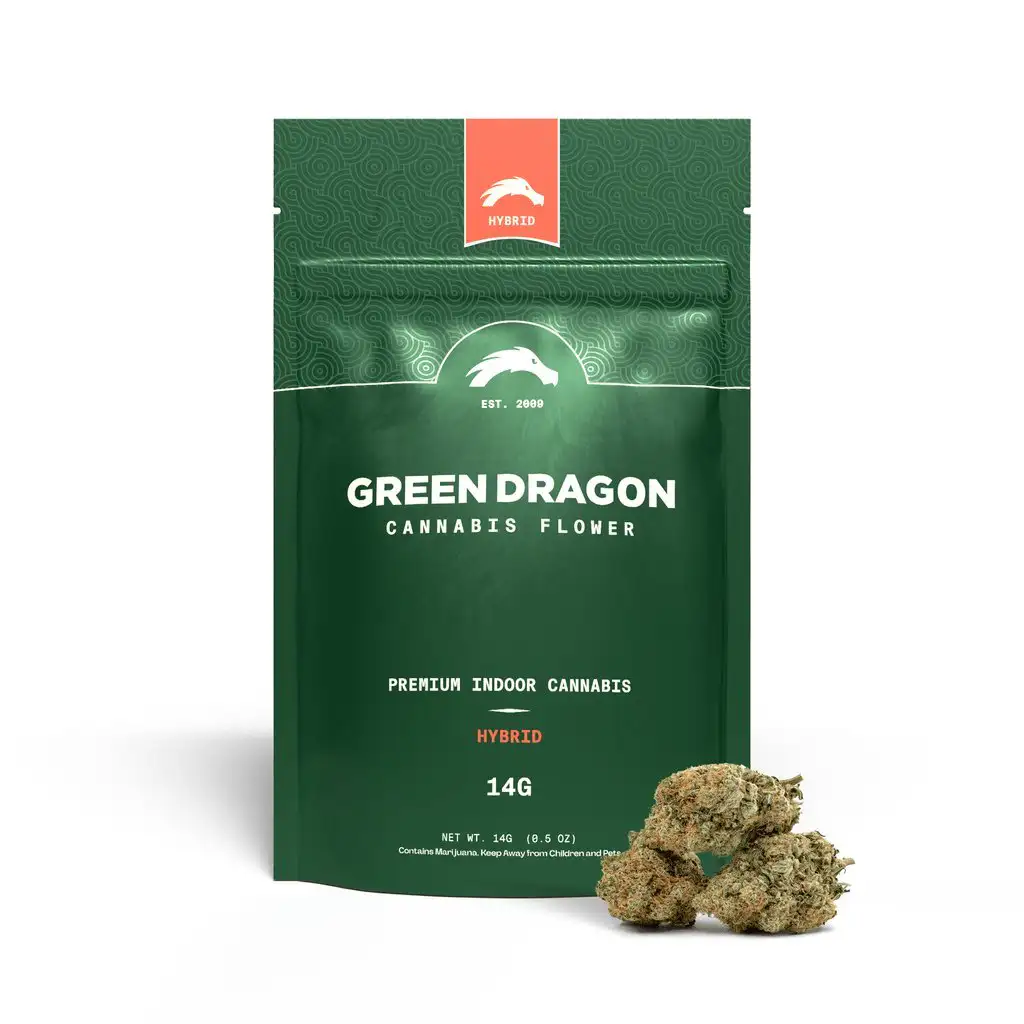
Walk down any Green Dragon flower aisle and you'll meet names like Blue Dream, Gelato, and Durban Poison. Those names aren't marketing inventions — they're family names. Every strain on the shelf is the product of generations of selective breeding, and its genetics shape everything from how it smells to how it feels.
Understanding the basics of cannabis strain genetics makes you a sharper shopper. Here's how the family tree works, and how to use it the next time you're browsing the menu.
What Are Cannabis Strain Genetics?
Like any plant, cannabis passes traits from parent to offspring through DNA. A strain (breeders often say cultivar) is a line of cannabis bred to consistently express a set of traits: cannabinoid content, terpene profile, plant structure, yield, and flowering time.
Two terms do most of the work here:
- Genotype is the plant's genetic blueprint — the full range of traits it could express.
- Phenotype is what actually shows up when the plant is grown, shaped by light, nutrients, temperature, and the grower's technique.
That's why the same strain from two different growers can look and taste a little different: same genotype, different environment, different phenotype. When one expression of a strain turns out especially well, cultivators preserve that exact plant as a clone, so every future harvest is genetically identical.
Landrace Strains: Where It All Began
Long before dispensary menus, cannabis grew semi-wild in distinct regions of the world, adapting to local climates over thousands of years. These original varieties are called landrace strains, and nearly everything on a modern menu descends from them.
- Afghani and Hindu Kush — short, dense, resin-heavy mountain plants from Central Asia, the ancestors of most classic "indica" lines.
- Durban Poison — a bright, fast-flowering South African landrace that still appears on menus (and in famous crosses) today.
- Acapulco Gold, Panama Red, and Thai — tall, slow-flowering equatorial varieties behind the classic "sativa" lines.
Breeders spent decades crossing these regional originals, which is how we ended up with the enormous variety on shelves today.
Indica, Sativa, and Hybrid: What the Labels Really Tell You
Indica and sativa originally described where a plant came from and how it grew — not how it feels. After fifty-plus years of crossbreeding, almost every strain you'll find is technically a hybrid, even ones labeled indica or sativa.
The labels survive because they're a useful shorthand: "indica-leaning" usually signals a mellower, body-forward reputation, while "sativa-leaning" signals a brighter, more energetic one. But two indicas can feel very different from each other, because the label doesn't tell you the strain's actual chemistry. For that, you need to look one level deeper.
Cannabinoids and Terpenes: The Traits That Matter Most
What a strain's genetics ultimately control is its chemotype — the mix of cannabinoids and terpenes it produces. That profile, printed on every lab-tested label in Colorado, is a far better predictor of your experience than the strain's name or category.
- THC and CBD ratio — the headline numbers. High-THC strains are the most common, but balanced and CBD-forward genetics are out there if you want a gentler session.
- Myrcene — earthy and musky; the most common terpene in modern cannabis, often associated with relaxing strains.
- Limonene — citrusy and bright, common in strains with an uplifting reputation.
- Caryophyllene — peppery and spicy; also found in black pepper and cloves.
- Pinene and linalool — pine and floral-lavender notes, respectively, each with its own devoted fans.
Your nose is genuinely useful here: the aroma you're drawn to is the terpene profile talking. Researchers are still mapping how these compounds work together — the much-discussed entourage effect — but the tested profile is the best data you have when comparing strains.
How Breeders Create New Strains
New strains start with a deliberate cross: pollen from one parent, flowers from another, and a batch of seeds that each shuffle the parents' genes differently. From there, breeders do a phenotype hunt — growing out many seeds, keeping only the standouts, and crossing those winners back toward the traits they want (a process called backcrossing) until the line breeds true.
Some of the most famous menu names came from exactly this process:
- Blue Dream = Blueberry × Haze
- GSC = OG Kush × Durban Poison
- Gelato = Sunset Sherbet × Thin Mint GSC
- Wedding Cake = Triangle Kush × Animal Mints
How to Read a Strain's Lineage on a Menu
Once you know a strain's parents, menus start reading like a family tree. Loved Gelato? Its relatives — Sherbet, GSC, and the many Gelato crosses — are natural next picks, because they share the genetics that made you a fan in the first place. Found something too racy or too sleepy? Note its lineage and steer toward a different branch of the tree.
Keep in mind that strain names aren't strictly regulated, so the same name can vary a bit between growers. The lab-tested cannabinoid and terpene numbers on the package are the ground truth.
Picking Your Next Strain at Green Dragon
- Start from a strain you already know you like, and follow its lineage.
- Compare terpene profiles, not just THC percentages.
- Tell your budtender what you liked (or didn't) about your last pick — they can walk the family tree with you.
Ready to put it into practice? Browse our live flower menu, check today's deals, or stop by any of our Colorado locations and let a budtender play matchmaker.
Cannabis Strain Genetics FAQ
Is a strain the same thing as a cultivar?
Effectively, yes. "Cultivar" (cultivated variety) is the botanically correct term, and you'll see it used more as the industry matures. "Strain" remains the everyday word.
Do indica and sativa labels still matter?
As a rough shorthand, sure — but nearly everything is a hybrid now. The cannabinoid and terpene profile on the label tells you far more about what to expect.
Why does the same strain feel different from different growers?
Genotype sets the potential; the grow environment determines the phenotype. Different cultivation choices mean the same genetics can express slightly differently in aroma, potency, and appearance.
What's the best strain for a beginner?
There's no single answer — it depends on your goals and tolerance. A balanced THC:CBD strain at a low dose is a common starting point, and our budtenders are happy to help you choose. Start low and go slow.
For adults 21+. Cannabis affects everyone differently, and nothing in this article is medical advice. Please consume responsibly.
Written by Coastal Division for Green Dragon.